

Advantages, Applications and Processing Principle of Electric‑Heated Glass
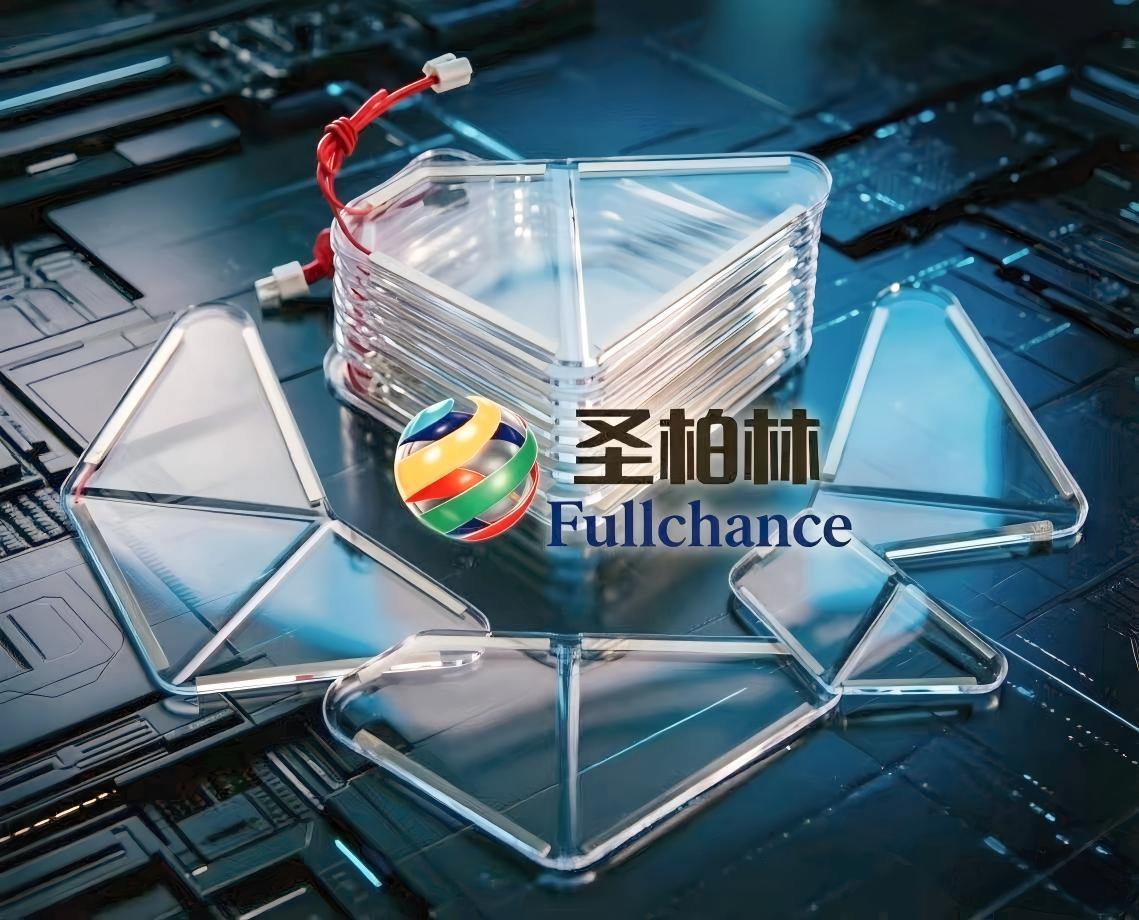
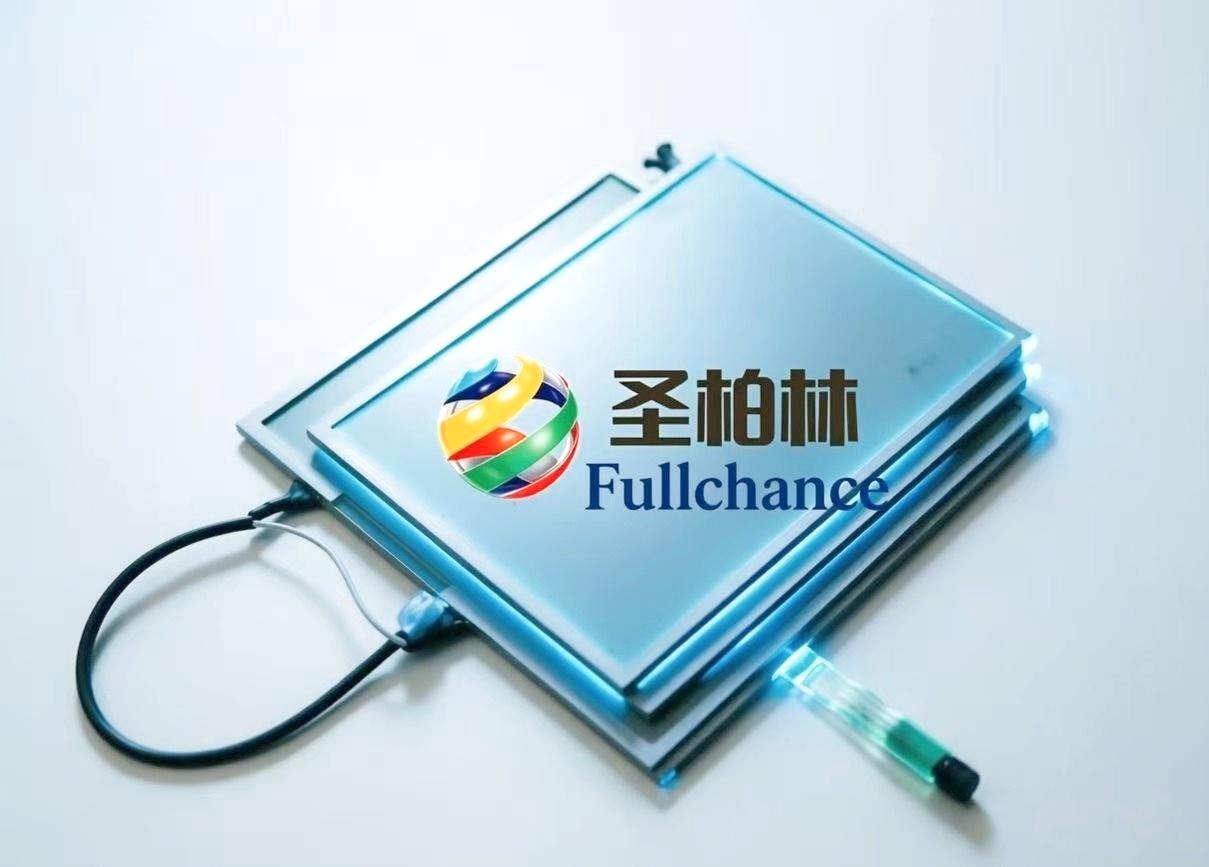
Electric‑Heated Glass‑Introduction
With the growing market demand for electric‑heated glass, automatic electric‑heating devices composed of resistance wires, single‑chip microcomputers, relays and other components have long been applied in numerous fields. However, there is currently no integrated product combining these existing field‑proven solutions on the market.
In response to practical application requirements, Jiahao Special Glass has carried out innovative improvements on existing technologies. This not only addresses practical engineering challenges but also resolves safety‑related issues concerning public well‑being, promising broad market prospects.
Alternative names for electric‑heated glass: anti‑fog glass, defrost glass, electrically warmed glass, etc. As a type of special glass, electric‑heated glass generates heat upon power‑on to realize anti‑fog and defrost functions. Accordingly, it is widely used in display cabinets, freezers, refrigerators, cold storage chambers, environmental test chambers, constant‑temperature‑and‑humidity chambers, high‑low temperature impact chambers, high‑end villas, marine windows, aircraft windows, premium automobiles, doors and windows in frigid regions, and all other scenarios requiring anti‑fog performance.
Processing technology for electric‑heated glass: Two or more tempered glass sheets are laminated together with PVB or dedicated interlayer films. Ultra‑thin metal heating wires such as tungsten wires or constantan wires are embedded on one side of the interlayer film of laminated glass; alternatively, a transparent conductive film is coated onto the inner glass surface to heat the glass when energized.
Fitted with thermistors and connected to a temperature control system, the glass enables automatic adjustment and control of surface temperature and delivers favorable impact‑resistance safety performance. Its surface temperature can reach 40‑60 °C, with a typical light transmittance of 80%.
Electric‑Heated Glass – Performance (Advantages)
Excellent de‑icing and defrosting performance: When powered on, the surface temperature of electric‑heated glass rises (typically 40‑60 °C), preventing frost and condensation on the glass surface. It operates with safe voltage and causes no harm to the human body. Input voltage options include 110 V, 220 V, 230 V and 240 V (configurable for different national power‑supply standards). Output voltage can be 12 V, 24 V, 48 V or 220 V.
Superior optical performance: Electric‑heated glass uses conductive wires or conductive films as heating media, ensuring outstanding light transmittance and anti‑distortion performance. Clear and true‑to‑life viewing is achievable through the glass.
High safety: Laminated structure of electric‑heated glass adopts tempered glass. Tempered glass features high hardness and low breakage risk. Even under heavy impact, glass fragments are held together by the organic interlayer film and will not scatter to cause injury.
UV‑blocking function: When applied in premium automobiles, the glass delivers strong ultraviolet absorption capacity. It effectively blocks ultraviolet rays from entering the cabin and reduces UV damage to drivers and interior components.
Electric‑Heated Glass – Performance (Advantages)
Upon power‑on, the surface temperature of electric‑heated glass rises within approximately 10 minutes to a temperature range of 35‑40 °C. The heated surface maintains uniform temperature or is slightly warmer than the outer glass surface, thus achieving heating effect within the operating‑temperature range and eliminating fog and frost. Electric‑heated glass features low‑voltage operation, low power consumption and high safety.
Electric‑Heated Glass – Manufacturing Process
Since the production process of electric‑heated glass is similar to that of laminated glass, domestically‑produced electric‑heated glass in China can be roughly divided into three performance‑based categories: single‑sheet electric‑heated glass, laminated electric‑heated glass and insulated electric‑heated glass. The production workflow is as follows:PVB Autoclave Production
Electric‑heated glass manufactured via the PVB autoclave process qualifies as safety glass. No fragments will splash out even if the glass breaks, and the broken glass will not collapse. Tempered glass is not mandatory for this production route.PVB film features a dissolution temperature above 90 °C and a high melting point. It exhibits excellent bonding strength to inorganic glass (>5500 N). It imposes no restrictions on service environments and is suitable for both indoor and outdoor applications. It delivers high light transmittance (≥75%), low haze, heat resistance, cold resistance (‑20 °C ~ 80 °C), moisture resistance (>90%), and high mechanical strength. It is currently the optimal bonding material for manufacturing laminated and safety glass worldwide.A transparent ITO heater consists of a visually transparent substrate coated with conductive indium‑tin‑oxide (ITO) layers of different sheet resistances. When an electric current passes through the coating, it generates the required heat to broaden the operating temperature range of liquid‑crystal displays (LCDs) in cold environments, and delivers anti‑fog, de‑icing and anti‑icing functions for optical displays and optical components.
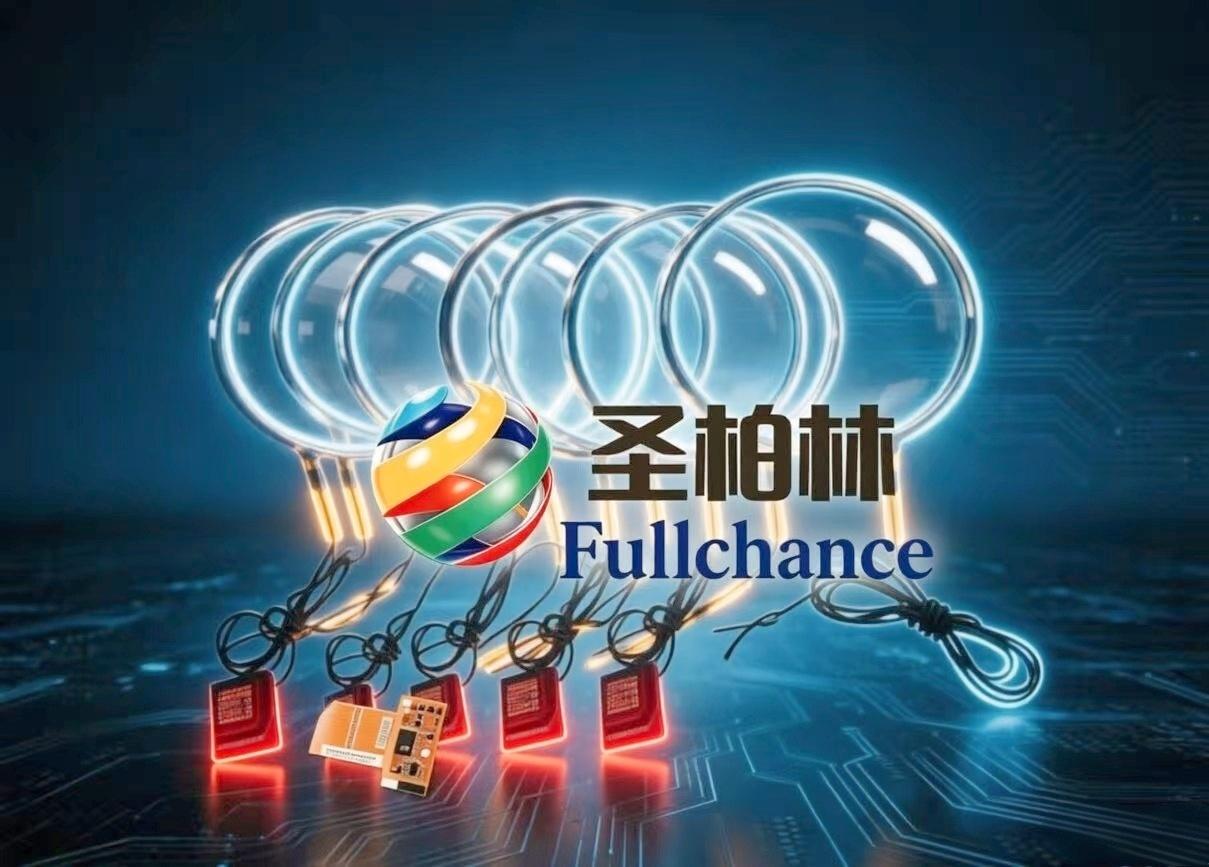
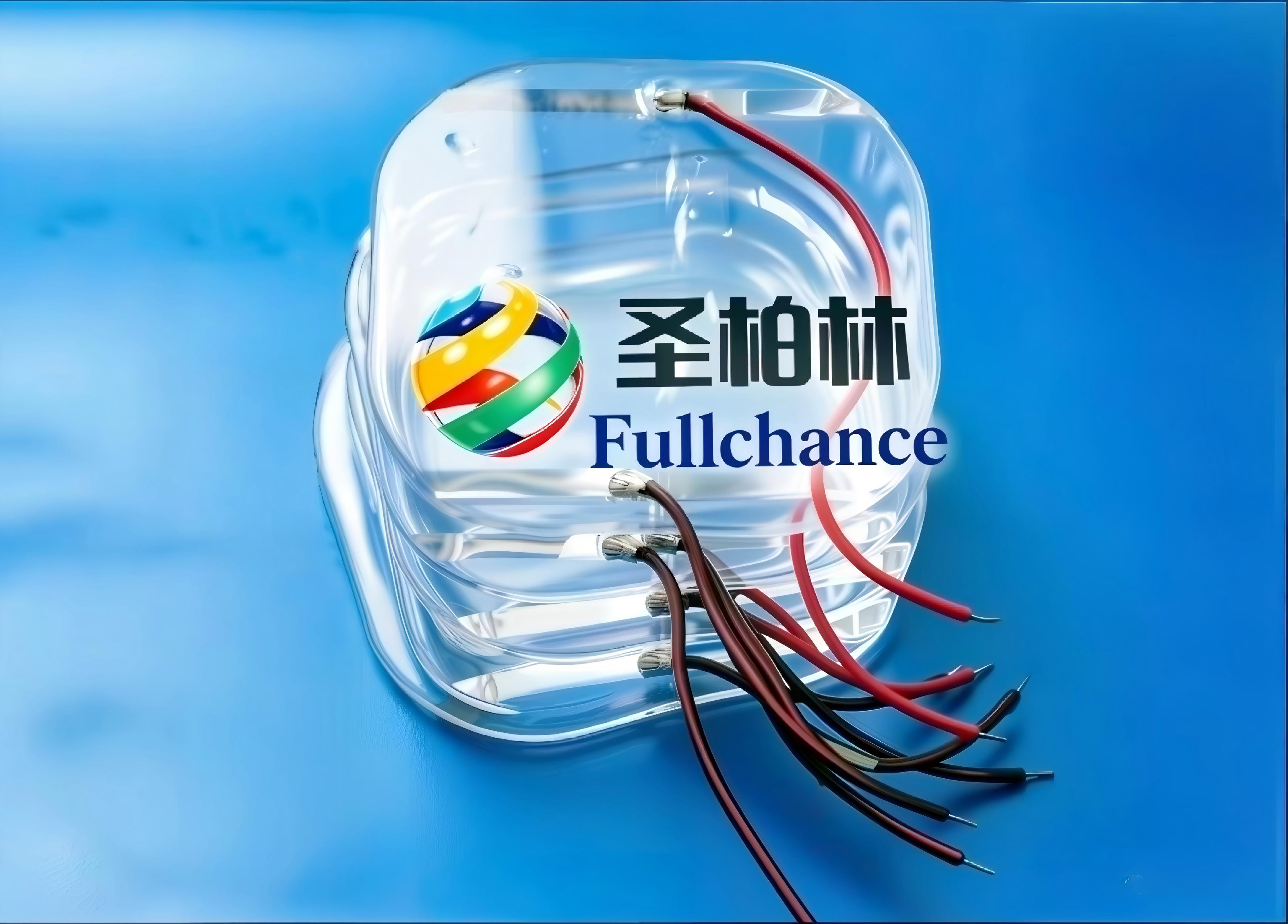
Applications of Transparent ITO Heaters
Typical applications of transparent ITO heaters include:
• Carge hold, cockpit and rack lighting (naval/marine)
• Command‑and‑control screens (military)
• Flight‑deck equipment (naval)
• Ground vehicles (military)
• Industrial control displays
• IVF workstations
• Military base adhesives
• Command‑and‑control screens (military)
• Flight‑deck equipment (naval)
• Ground vehicles (military)
• Industrial control displays
• IVF workstations
• Military base adhesives
 customer service1