


Key Point 1 Eliminate condensation, snow accumulation and frost to maintain visibility
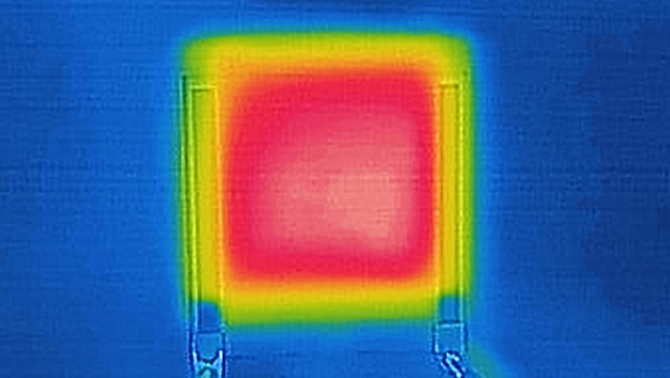
Key Point 2 Maintain uniform temperature across the entire surface
Key Point 3 Clear visibility, with maximum transmittance exceeding 98% *¹
Key Point 4 Suitable not only for flat surfaces, but also for various other profiles, including curved and semicircular surfaces
Key Point 5 Customizable to meet conditions such as a maximum operating temperature of 500°C *²

1.When non‑alkaline glass is used as the substrate material and anti‑reflection coatings for a wavelength of 550 nm are applied on both sides of the substrate after the heater is formed
2.Maintain visibility by eliminating condensation, snow accumulation and frost
Features and Advantages
Key Point 1
Transparent heaters can be applied to cameras, train windows and other transparent components. They effectively prevent condensation, snow accumulation and frost, helping to maintain excellent visibility.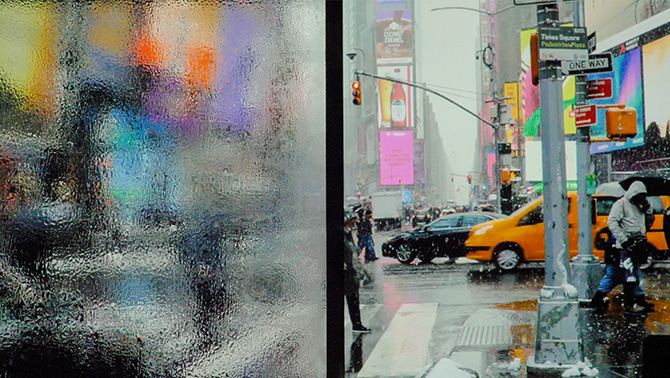
Key Point 2
Transparent heaters maintain a uniform heat level across the entire object, making them ideal for preserving visibility while requiring transparency. They can also be used for heating stages of microscopes, as well as medical or biological experiments.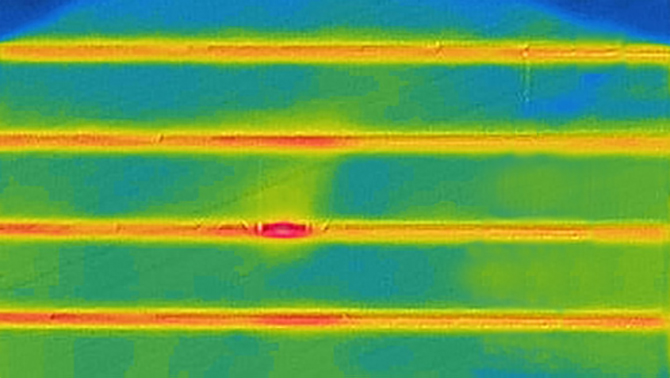
With standard electric heaters: heat is generated by wires, resulting in uneven temperature distribution.
Key Point 3
Transparent heaters can be applied across the entire glass surface, making them ideal for environments and locations requiring transparency. For transparent conductive films and ITO films used in displays or touch‑screens, Fullchance achieves high transmittance leveraging expertise gained as a leader in transparent‑technology field.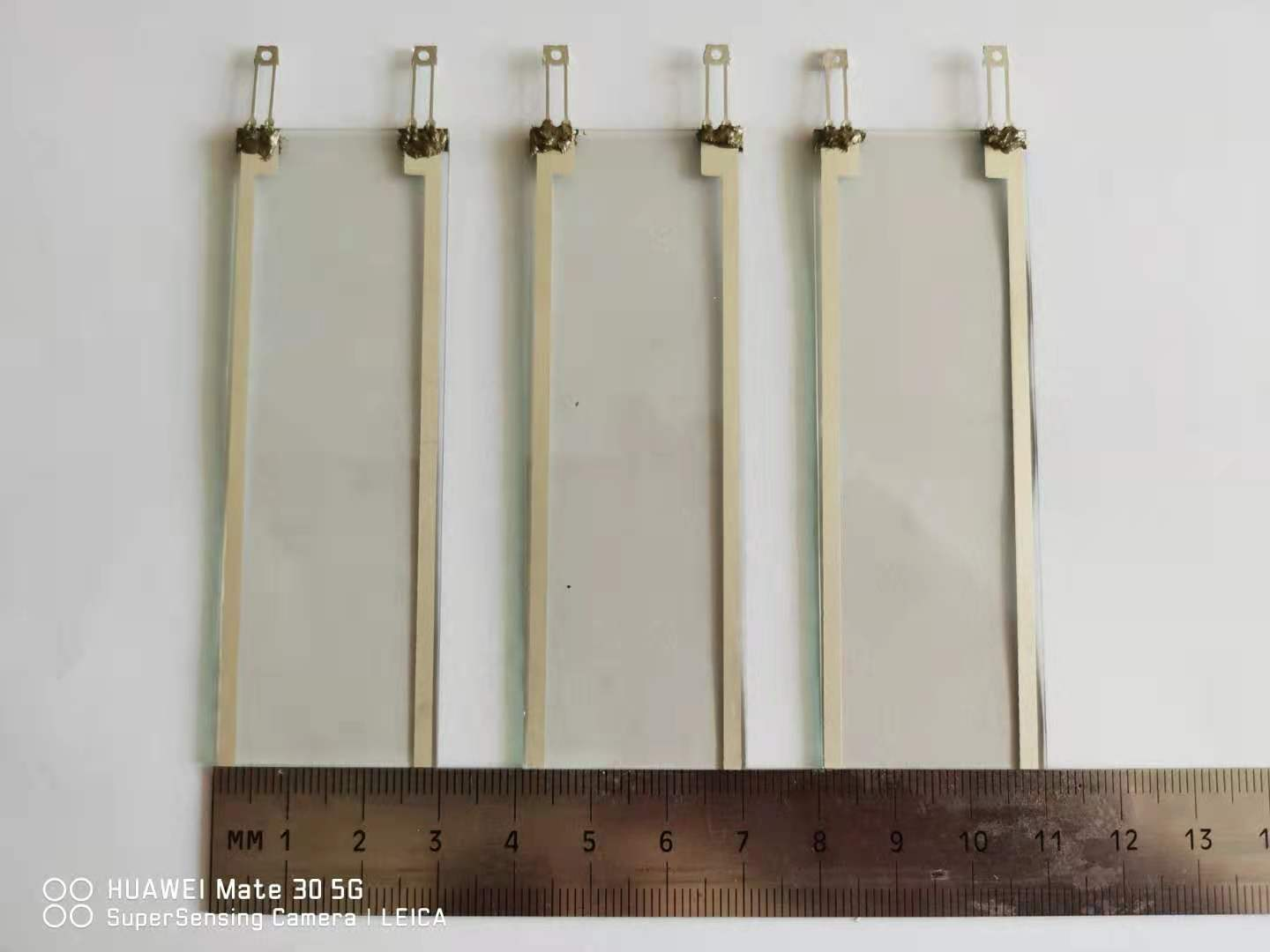
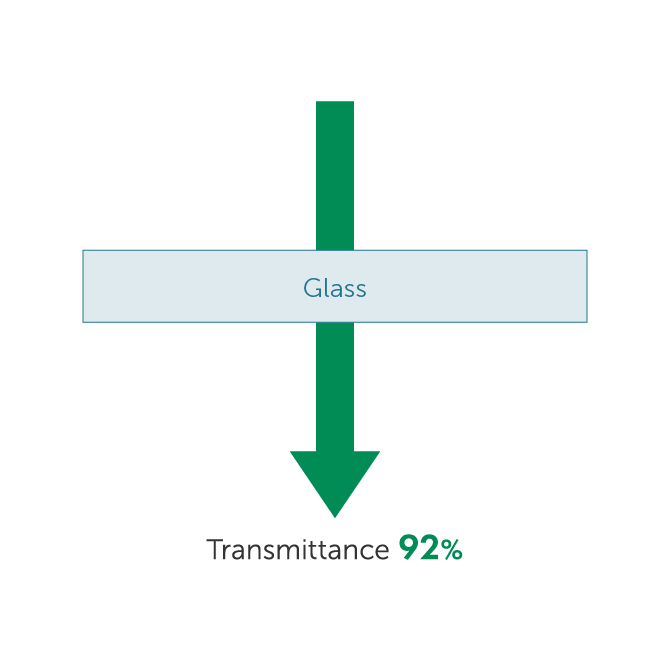
Glass only: 92% transmittance*
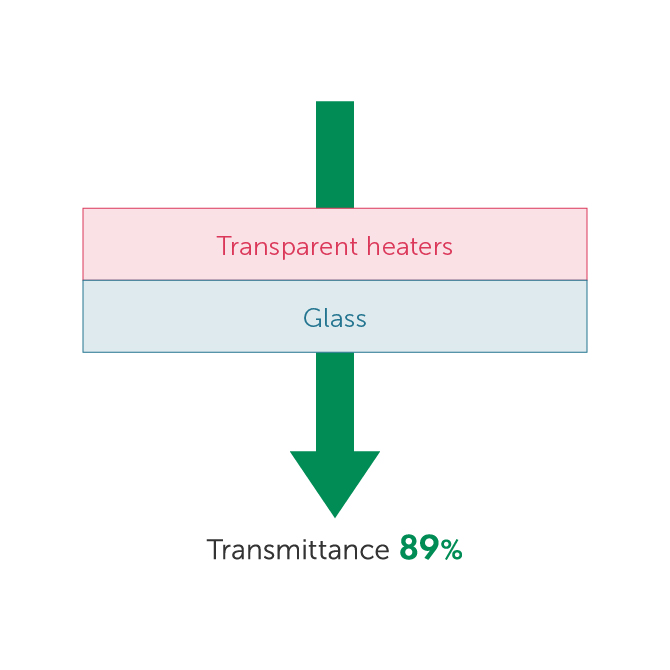
Glass + Transparent Heater: 89% transmittance*
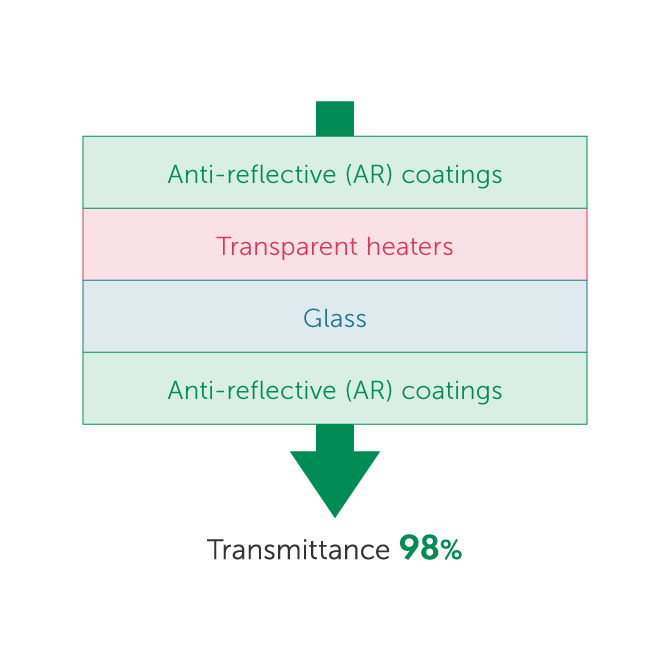
Glass + Transparent Heater + Anti‑Reflection Coating (Both Sides): 98% transmittance* *Wavelength: 550 nm
Key Point 4
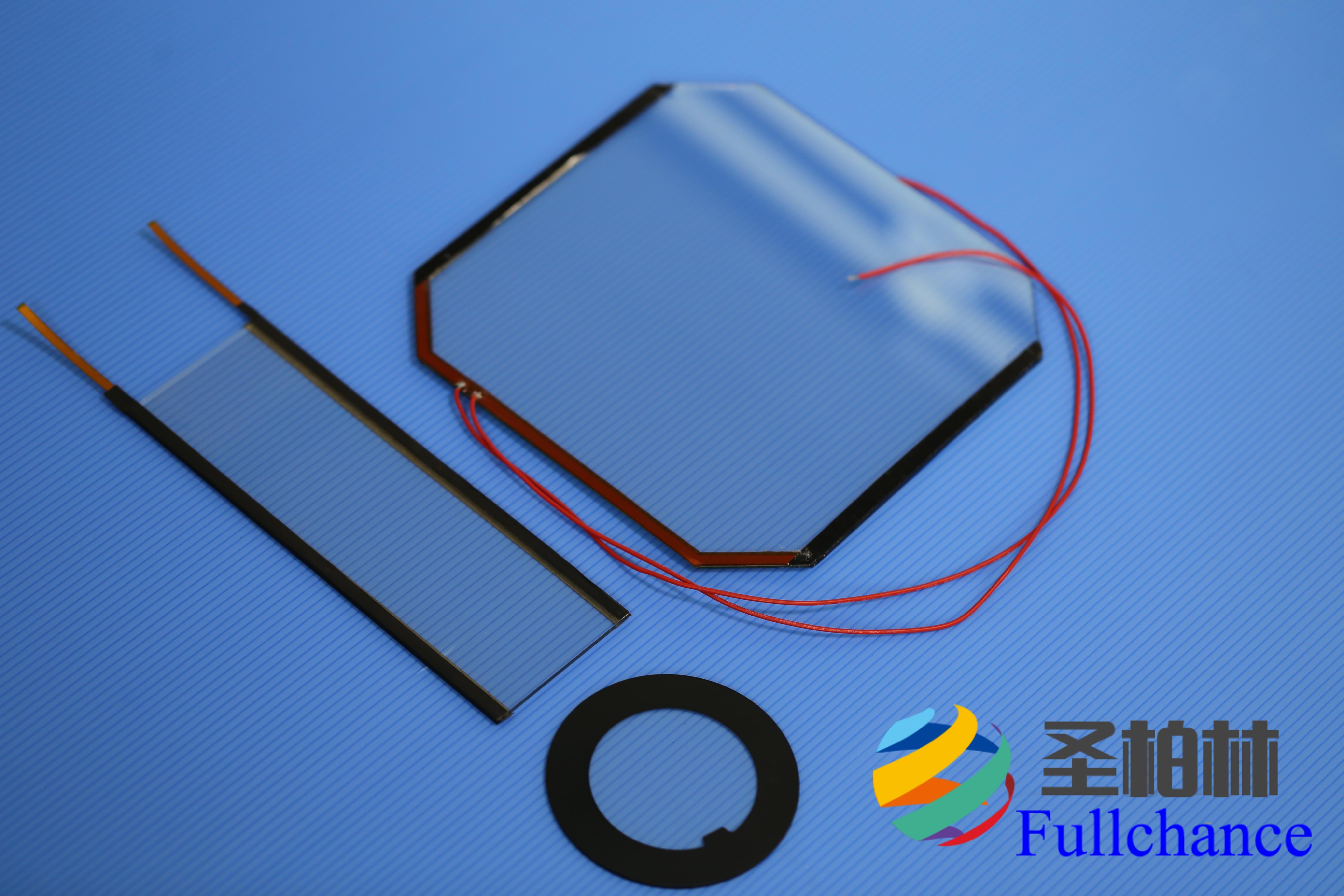
In terms of materials, they can be used with transparent resins such as glass and polycarbonate. In addition to flat surfaces, Fullchance can apply the films to curved, hemispherical, inner‑ and outer‑cylindrical surfaces as well as other special shapes upon consultation, to meet diverse requirements.
Example of a transparent heater applied to a dome‑shaped cover
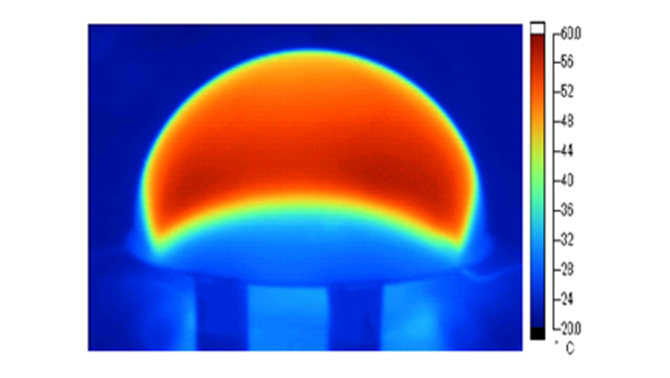
Thermal‑imaging Image: Uniform Heating on Hemispherical Surface
Key Point 5
Specifications can be adjusted to match different power supplies, operating environments and heat output. Custom requirements for electrodes, leads and insulation treatment are also acceptable. In addition, high‑performance thin‑films such as waterproof coatings, hydrophilic coatings and thin‑film thermocouples (temperature sensors) can be integrated.Structure and Mechanism
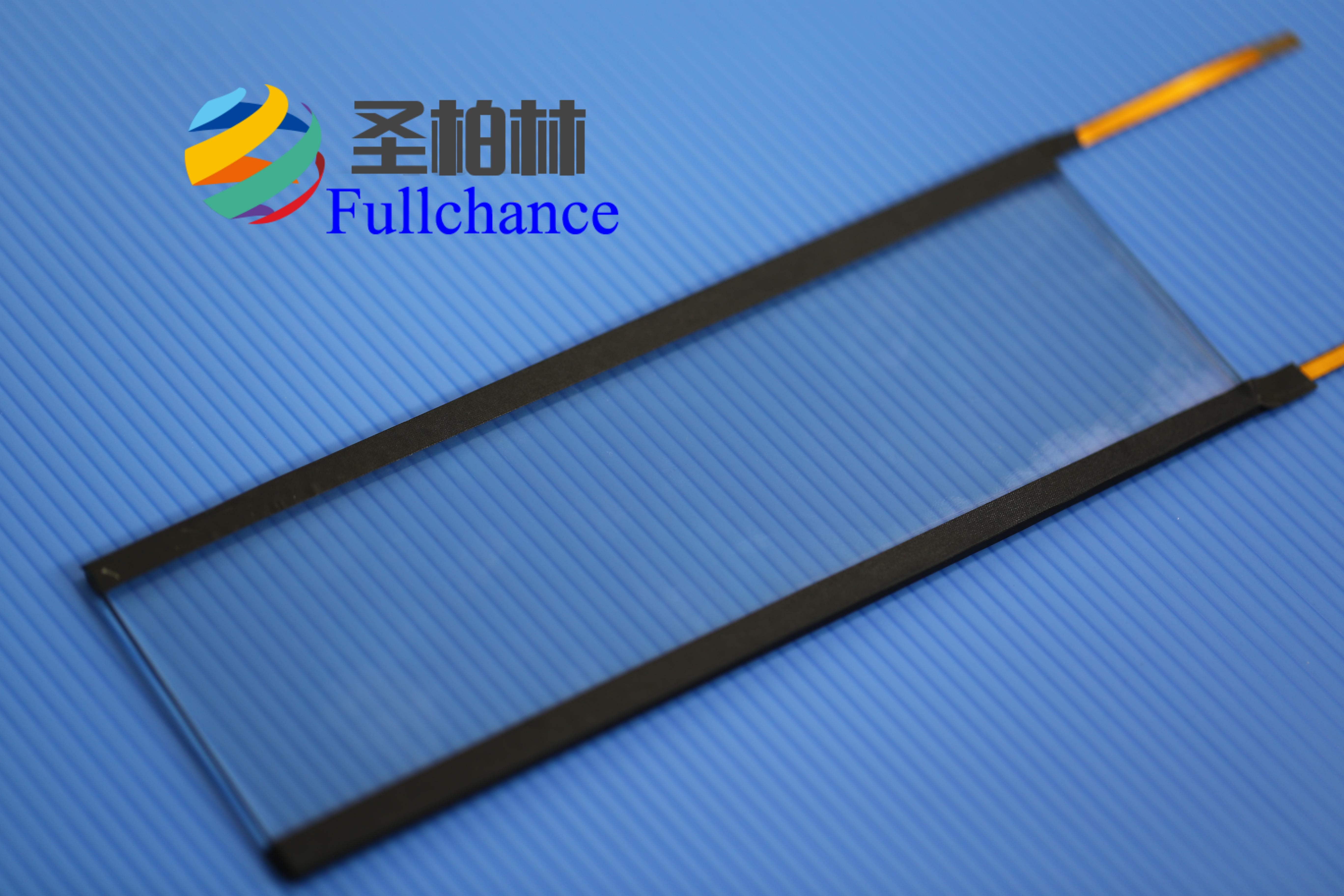
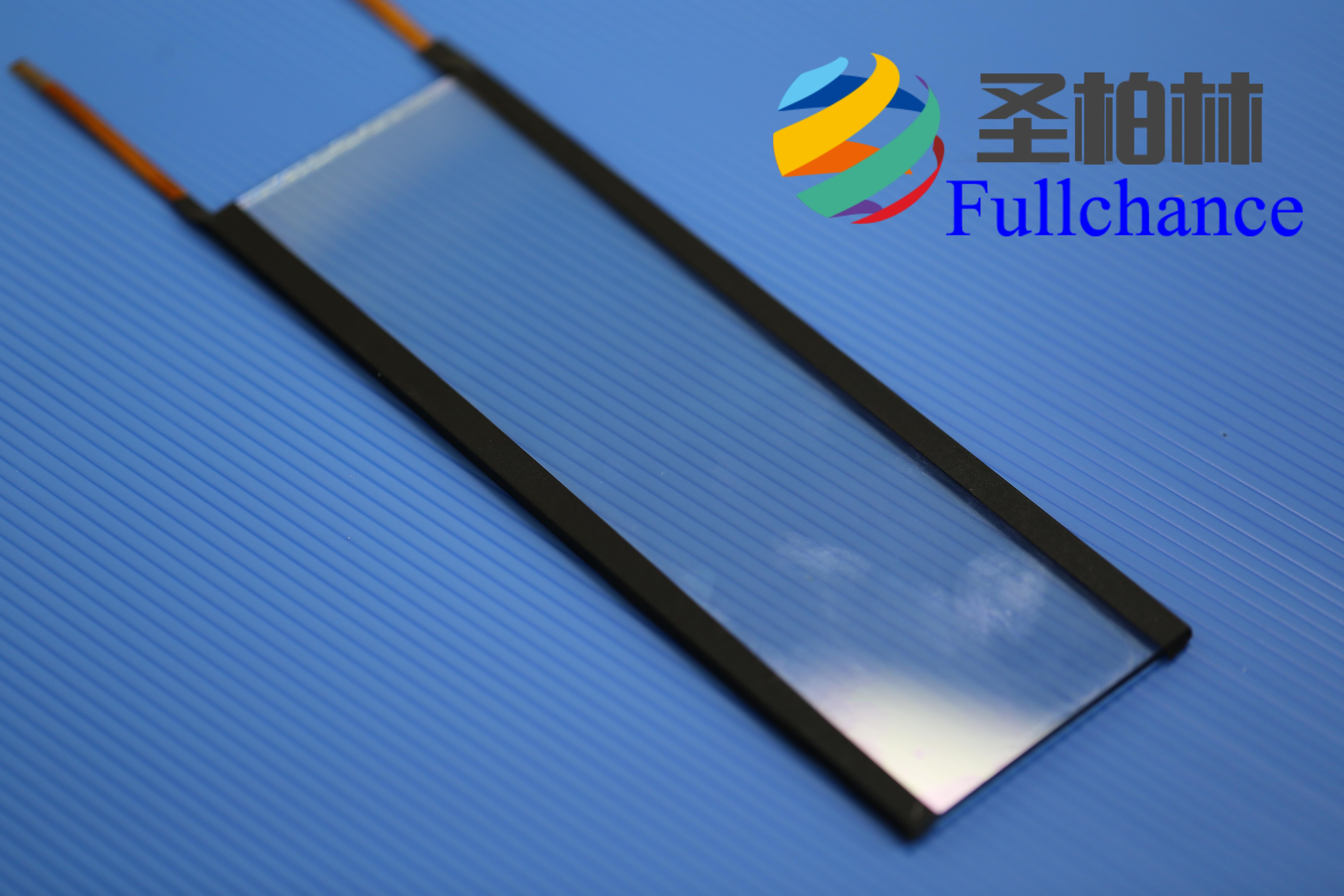
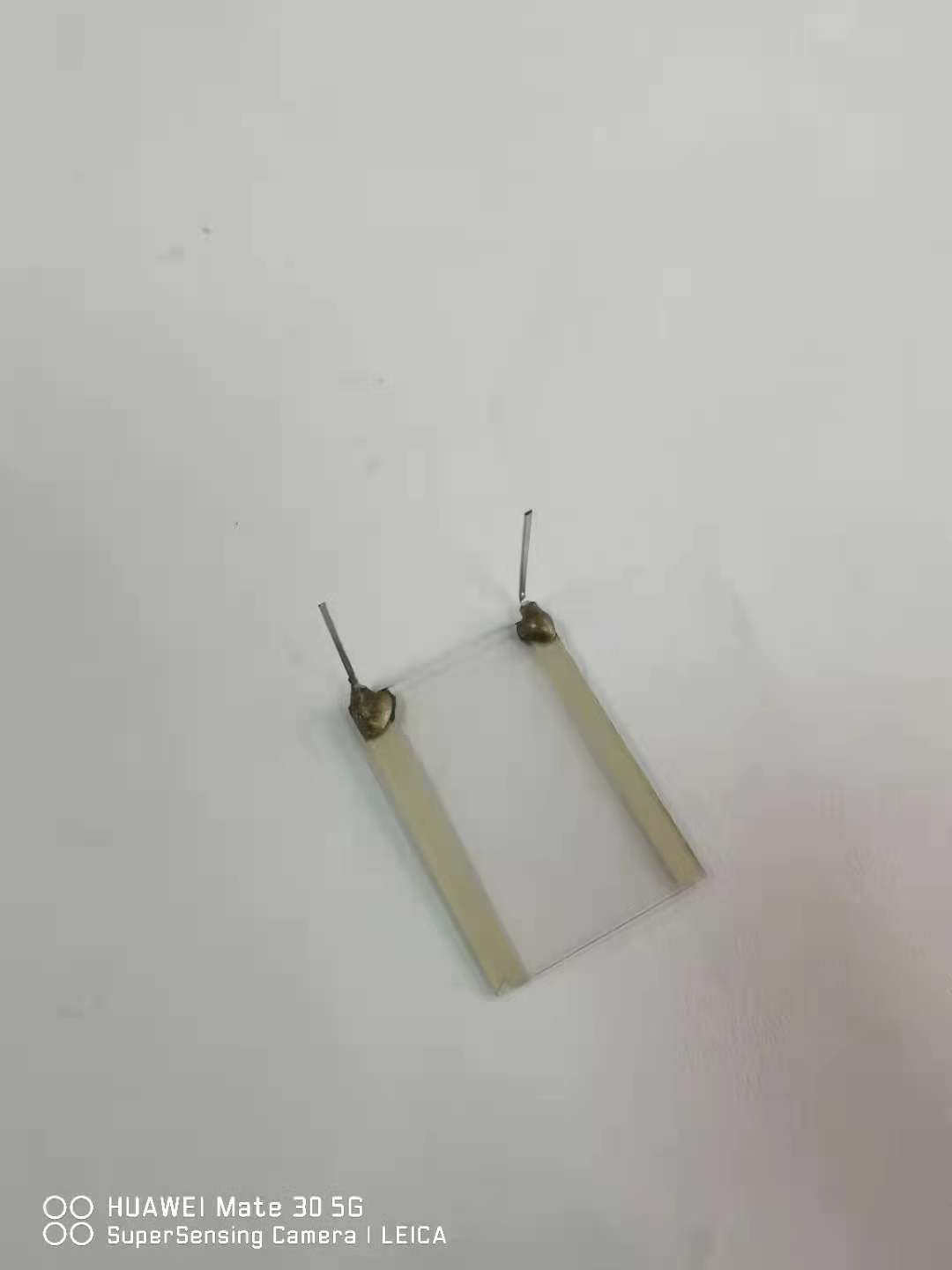
Transparent, yet Electrically Heatable Special transparent‑yet‑heating materials can be manufactured by applying proprietary transparent conductive films and ITO films onto substrate materials such as glass, and connecting metal electrodes for electrical conduction.
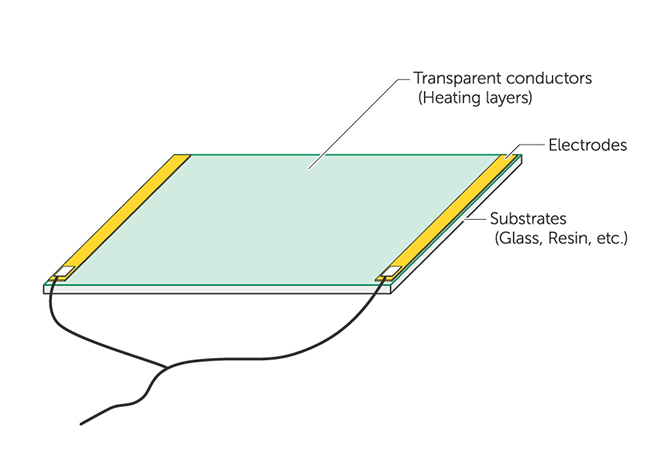
Figure: Photograph of a transparent heater coated onto a plate‑form substrate
Application Fields
Surveillance and observation camera lenses : By preventing dew‑condensation and snow accumulation, reliable and clear video recordings can be obtained.
Traffic Signal Indicators : Prevent snow build‑up on traffic signal indicators to maintain traffic safety in snow‑prone areas.

Road Guidance System : Easier road travel in heavy‑snow areas

View More Applications
On‑board Cameras and Sensors : Excellent field of view for safe driving on rainy or snowy days

Headlights, Fog Lamps and Rear Lamps : Transparent heater prevents lamp freezing

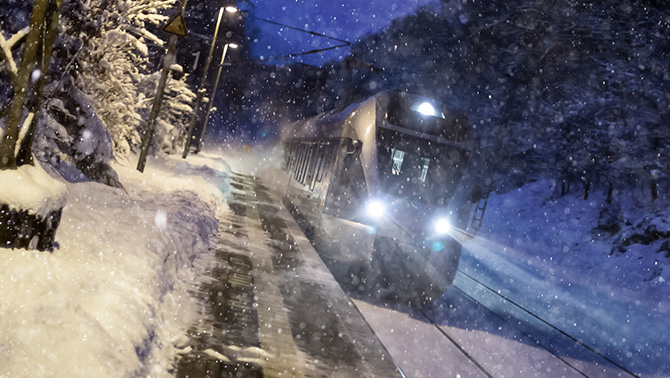
Electric Trains and Railway Windows : Snow‑proof windows that resist cracking upon impact from icicles
Petri Dishes and Laboratory Glass Slides : Transparent yet conductive thin‑film technology for experiments and observation

 customer service1